
The
Metabolic Reset
This is the simple way to reverse insulin resistance
Hi, I’m Zib

I’m the Longevity Researcher and I have over 19 years of experience coaching and guiding people toward better health.
To help me do this, I studied an MSc. in Molecular Medicine, BSc. in Human Bioscience, a Diploma in Clinical Nutrition and am currently completing my PhD in Longevity, where I study the biological pathways that determine how we age.
Alongside my research studies I also help busy people like you boost their energy and feel stronger, slow the signs of ageing and optimise their longevity.
Most People Are Experiencing These Symptoms
But Don't Realize Blood Sugar And Insulin Levels Are The Culprit
You wake up tired and it never really improves.
No matter how long you sleep, you feel sluggish throughout the day. Energy dips come mid-morning, after meals, or seemingly out of nowhere and even coffee barely makes a difference.
You’ve been told you’re “fine”, but you do not feel it.
Your test results may fall within normal ranges, yet something still feels off. You know your body isn’t functioning as it should, and you are ready to take a different approach.
Brain fog is making everyday life more difficult.
You feel forgetful, mentally sluggish, and unfocused, as though your thinking is slowed and harder to access.
You constantly crave sugar and carbohydrates.
Pasta, bread, sweets, and snacks feel hard to resist. You may have tried relying on willpower, but it rarely holds up for long.
Stubborn belly fat that will not shift.
You have tried reducing calories and exercising, but the scale barely moves, particularly around your midsection.
You are always hungry, even after eating.
You finish a meal, yet not long after you find yourself looking for more food, wondering why you still do not feel satisfied.
You feel stuck in a cycle you cannot break.
It may run in your family, or perhaps your doctor has already raised concerns and you want to take action before it progresses further.
You’ve tried fasting, keto, or calorie counting, but nothing works long term.
You start with good intentions, but it is hard to sustain and does not address the underlying issue, your hormones.
Mood swings or anxiety feel constant.
Your emotions feel all over the place — anxious one minute, irritable the next — and it might actually be your blood sugar talking.
The core issue often comes down to constant snacking and overeating, with little to no time spent in a fasted state.
Sounds familiar?
From morning to evening, many people are consuming carbohydrate-rich foods, leading to repeated spikes in blood sugar and insulin.
Over time, this can contribute to insulin resistance, as cells become less responsive. This is linked to conditions such as fatty liver, type 2 diabetes, and high blood pressure.
It also creates a cycle of hunger. When blood sugar drops, it triggers cravings for more carbohydrates, leading to further spikes and continued overeating.
The solution is to address the root cause:
Reduce constant snacking
Lower reliance on high-carbohydrate foods
Allow the body time in a fasted state to improve insulin sensitivity and shift towards fat burning
This protocol is designed as a practical tool to make that easier. It supports fasting, helps control appetite, and reduces the likelihood of overeating or large blood sugar spikes at meals.
The protocol I have designed is based on life-style measures. Find out about this below. It includes two clinically proven tools, to make your journey much easier.
1. Yerba Mate Extract
Traditionally consumed in South America, yerba mate provides a clean source of energy and can help reduce hunger. Its key compound, chlorogenic acid, supports the GLP-1 pathway, which plays a role in appetite regulation. This can help reduce cravings and make fasting for longer periods more manageable.
2. Fibre Blend (“Balance”)
This is a soluble fibre blend with added phytonutrients, taken before meals. It forms a gel in the digestive tract, which slows the absorption of glucose and reduces post-meal blood sugar spikes. It also promotes fullness, helping to prevent overeating.
Additionally, this gel can bind to cholesterol in the gut, limiting its reabsorption and supporting healthier cholesterol levels.
In summary, the protocol targets three key areas:
Insulin resistance
Appetite control
Cholesterol management
Importantly, it works alongside your existing diet by making it easier to eat less, manage hunger, and improve overall metabolic health.
Reverse Insulin Resistance
with my
Simple Daily Protocol
A structured, science-backed approach targeting
Improve insulin sensitivity
Stabilise blood glucose
Support metabolic health
What Makes This Different?
This is not just about food.
It is about stacking small daily actions that work together to improve metabolic health.
Most people think insulin resistance is simply about eating too much sugar.
It is not.
You can eat what looks like a relatively healthy diet, maintain a stable weight, and still become more insulin resistant over time.ether.
Because insulin resistance is not just a food problem.
It is a timing problem, a muscle problem, and a cellular energy problem.
This protocol is designed to target all of those systems together.
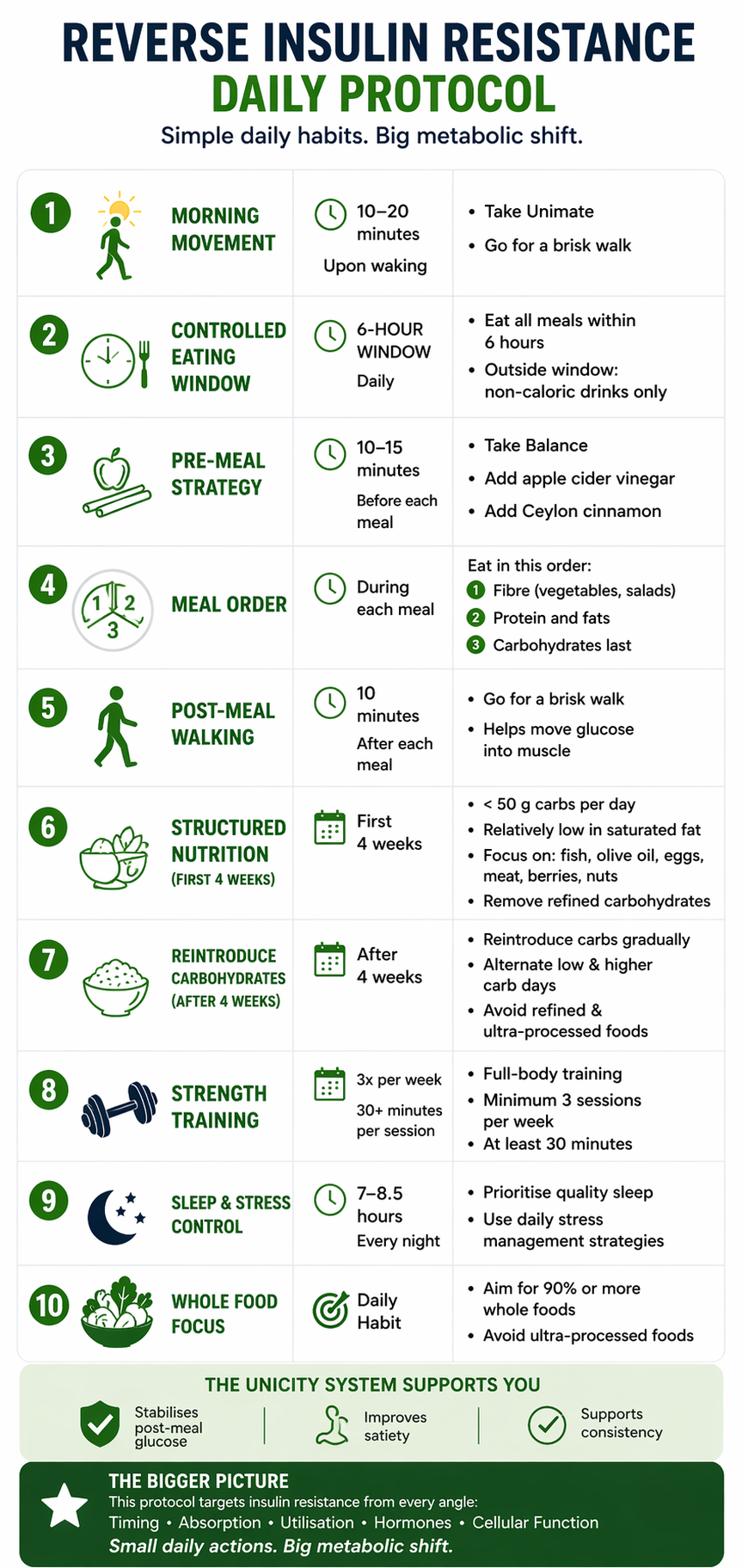
THE DAILY PROTOCOL
WHY IT MATTERS
Step 1: Morning Routine
What to Do
Take Unimate (Unicity)
Walk briskly for 10 to 20 minutes
Why It Matters
Improves insulin sensitivity
Increases glucose uptake
Reduces liver glucose output
Step 2: Time-Restricted Eating
What to Do
Eat within a 6-hour window
Only non-caloric drinks outside this window
Why It Matters
Lowers insulin levels
Increases fat oxidation
Reduces liver fat
Step 3: Pre-Meal Strategy
What to Do
Before every meal:
Take Balance (Unicity)
Add apple cider vinegar (optional)
Add Ceylon cinnamon (optional)
Why It Matters
Slows glucose absorption
Improves insulin sensitivity
Supports insulin signalling
Step 4: Eat in the Right Order
Follow This Sequence
Fibre
Protein and fats
Carbohydrates
Why It Matters
Reduces post-meal glucose spikes
Step 5: Move After Meals
What to Do
Walk for 10 minutes after each meal
Why It Matters
Moves glucose into muscle
Reduces post-meal blood sugar
Step 6: 4-Week Nutrition Reset
What to Do
Keep carbohydrates under 50 g per day
Reduce saturated fat
Focus on:
Oily fish
Olive oil
Eggs
Meat
Berries
Nuts
Remove refined carbohydrates
Why It Matters
Reduces insulin demand
Lowers liver fat
Decreases glucose exposure
Step 7: Reintroduce Carbohydrates
What to Do
Gradually add carbohydrates back
Alternate low and slightly higher carbohydrate days
Avoid refined and ultra-processed foods
Why It Matters
Supports metabolic flexibility
Step 8: Strength Training
What to Do
Train at least 3 times per week
Minimum 30 minutes
Full-body focus
Why It Matters
Increases muscle mass
Improves glucose disposal
Enhances insulin sensitivity
Step 9: Sleep and Stress
What to Do
Sleep 7 to 8.5 hours
Prioritise sleep quality
Use daily stress management
Why It Matters
Supports hormonal balance
Maintains insulin sensitivity
Step 10: Remove Ultra-Processed Foods
What to Do
Eat 90% or more whole foods
Why It Matters
Improves metabolic regulation
Reduces diabetes risk
Daily Protocol Cheat Sheet
(Save This)

THE NATURAL WAY TO ACTIVATE YOUR BODY’S FULLNESS HORMONE
GLP-1 is a key hormone that helps regulate appetite, support healthy blood sugar levels, and contribute to sustainable weight management.
While some turn to prescription injections, there are also natural ways to support GLP-1 activity.
Unimate, made from pure Yerba Maté, may help stimulate this pathway, supporting satiety, reducing cravings, and promoting more stable blood sugar levels. This can be particularly helpful for those looking to manage weight, support insulin sensitivity, or improve overall metabolic health.
Real People

Real Results


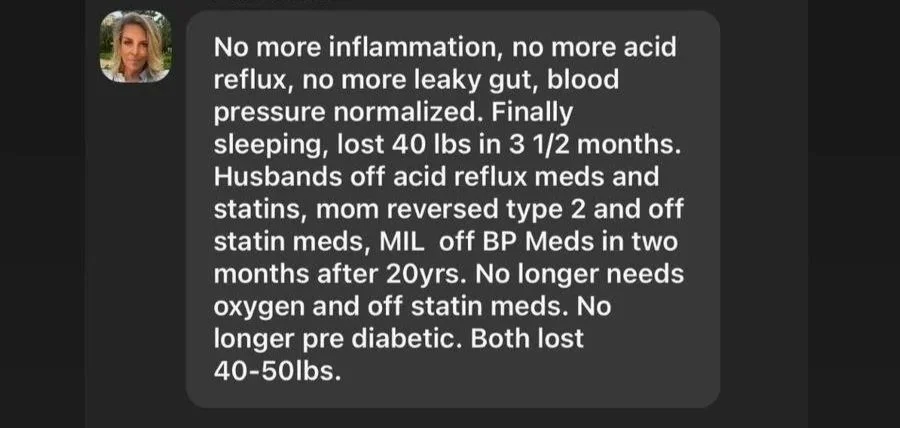


And thousands more just like this!
The 90 Day Metabolic Reset Plan
The best glucose supplement to easily lower your blood sugar and become more insulin sensitive. Your easiest path to more energy, better focus, weight control and metabolic health without fad diets or complicated plans
WEEK 1-2
"I FEEL DIFFERENT ALREADY”
Starting your day with Unimate, a concentrated yerba maté designed to support steady energy, sharper focus, and longer-lasting fullness, without the typical sugar crashes.
Before your main meal, take Balance, a targeted fibre blend that helps moderate blood sugar and insulin responses, reduce cravings, and support satiety.
Mental clarity rises
Hunger goes down
Fasting becomes easier than ever
Clothes start to feel looser
WEEK 3-4
"IS THIS ACTUALLY WORKING?!”
By now, you’re likely:
Losing weight more easily, without constant effort
Fasting more comfortably, with fewer late-night cravings
Experiencing steadier energy and fewer crashes
People are noticing positive changes in both your appearance and mood
Early fat burning begins
Blood sugar and insulin sensitivity improve
GLP-1 levels (your natural satiety hormone) rise
You eat less — and feel great doing it
WEEK 5-8
“I’M IN CONTROL OF MY BODY AGAIN”
This is when the Feel Great System shines.
Results intensify — people report:
Clearer skin
More consistent weight loss
A reduction in waist measurements
Greater motivation to stay active
Improvements in sleep, mood, and overall confidence
Clinical data shows by Day 60:
LDL ("bad cholesterol"): ↓ 7.6%
Triglycerides: ↓ 9%
Waist circumference: ↓ 2%
HbA1c (blood sugar marker): ↓ 1.3%
Glycemic variability: ↓ 12%
WEEK 9-13
“THIS IS MY NEW NORMAL”
You are no longer following a programme, this simply becomes your way of living.
Hunger is under control
Weight is moving in the right direction
Energy is steady and reliable
Mental clarity improves
Health markers your doctor will notice.
You feel great — because your body is finally working with you, not against you.
Fibre and Insulin Resistance
Why Type and Amount Matter
Fibre can be one of the most useful dietary tools for improving insulin resistance, but the message is often oversimplified. It is not just about eating “more fibre.” It is about eating the right types of fibre, in the right amounts, from a diverse range of foods.
Different fibres behave differently in the body. Some slow the rise in blood glucose after meals, some feed beneficial gut bacteria, some support the production of short-chain fatty acids such as butyrate, some help lower LDL cholesterol, and others mainly support stool bulk and bowel regularity.
For people looking to improve insulin sensitivity, fibre works best when it supports three key areas: blood sugar control, gut microbiome health and appetite regulation.
How Fibre Supports Insulin Sensitivity
Certain fibres slow digestion and reduce the speed at which glucose enters the bloodstream. This can help flatten post-meal blood sugar spikes and reduce the demand placed on insulin.
Other fibres are fermented by gut bacteria, producing short-chain fatty acids such as butyrate. These compounds are linked with gut barrier health, inflammation regulation and metabolic function. Research suggests higher fibre intake is associated with a lower risk of type 2 diabetes, and specific fibres such as resistant starch, beta-glucan and psyllium may improve markers of glycaemic control and insulin resistance.
The Most Useful Fibre Types for Insulin Resistance
The best approach is to include a mix of fibre types rather than relying on one food or supplement.
Resistant starch
Is found in cooked and cooled potatoes, cooked and cooled rice, legumes, green bananas and oats. It resists digestion in the small intestine and is fermented in the colon, where it can support butyrate production and gut bacteria linked with better metabolic health.
Beta-glucan
Is found in oats and barley. It forms a gel-like substance in the gut, helping to slow glucose absorption, improve fullness and support healthier cholesterol levels.
Inulin and FOS
Are prebiotic fibres found in garlic, onions, leeks, asparagus, chicory root and Jerusalem artichokes. They help feed beneficial gut bacteria, but can cause bloating if increased too quickly.
Psyllium husk
Is a soluble, gel-forming fibre that may help improve fasting blood glucose, HbA1c, LDL cholesterol and bowel regularity. However, it is not a replacement for a diverse, fibre-rich diet.
Chia, flax, vegetables, berries, nuts, seeds and legumes
Provide additional fibre diversity and help support fullness, digestion, gut bacteria and overall metabolic health.
Getting the Amount Right Of Fibre
Most people benefit from eating more fibre, but increasing it too quickly can cause bloating, gas or digestive discomfort. This is especially true for fermentable fibres such as inulin, beans, lentils and resistant starch.
A practical approach is to build up gradually over several weeks, drink enough water and rotate fibre sources instead of relying on one high-fibre product.
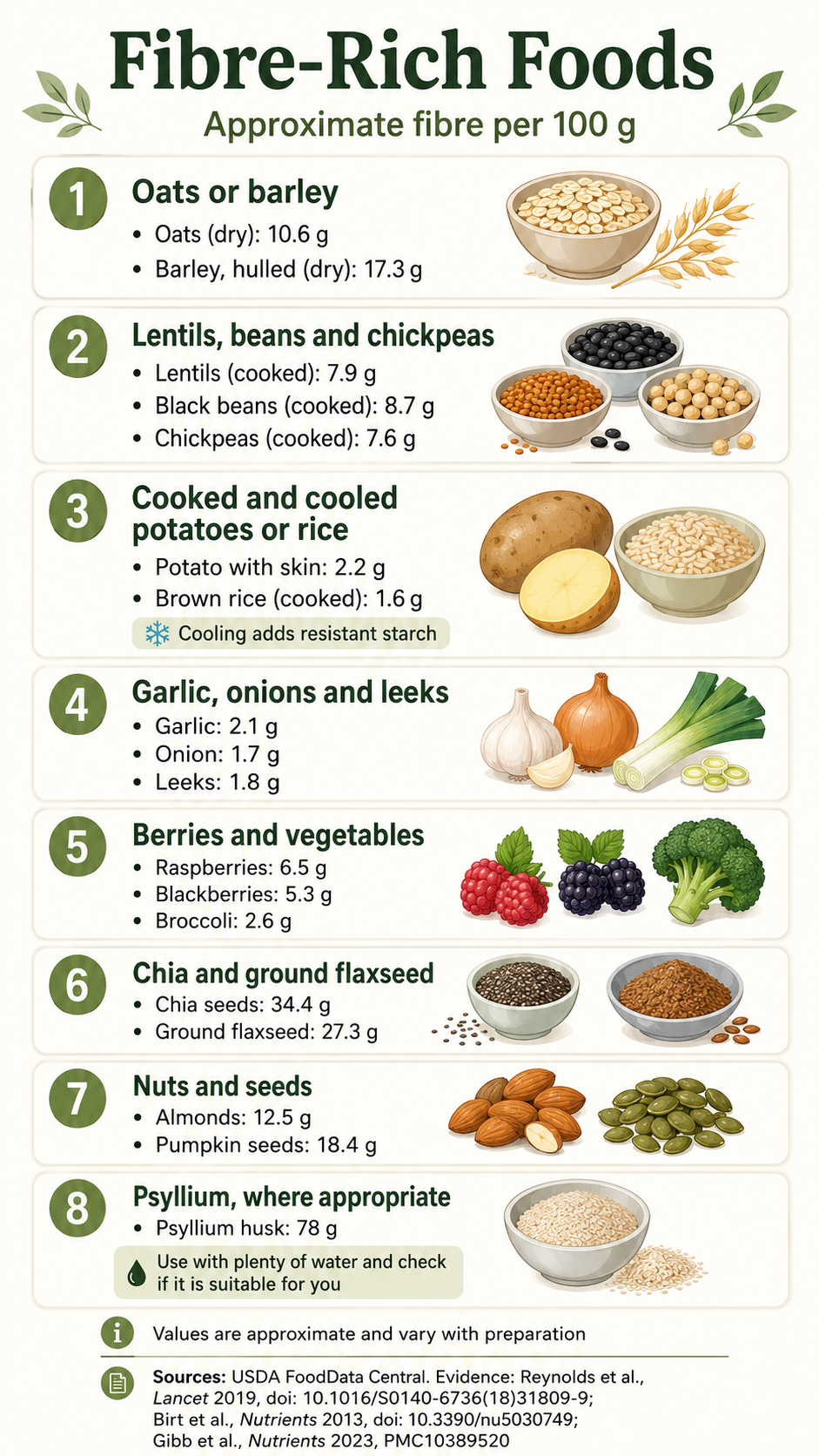
Good fibre-rich choices include:
Oats or barley
Lentils, beans and chickpeas
Cooked and cooled potatoes or rice
Garlic, onions and leeks
Berries and vegetables
Chia and ground flaxseed
Nuts and seeds
Psyllium, where appropriate
For insulin resistance, fibre quality matters as much as fibre quantity.
The goal is not simply to eat more fibre, but to eat a wider variety of fibres that support blood sugar control, gut bacteria, satiety, cholesterol and bowel health. Start gradually, stay consistent and use fibre as part of a broader insulin resistance strategy that includes protein, movement, resistance training, sleep and reduced ultra-processed food intake.
Lowering LDL cholesterol
Why fibre matters
LDL cholesterol is often called “bad” cholesterol because high levels can contribute to fatty deposits building up inside the arteries. Over time, this can increase the risk of heart disease and stroke.
The good news is that LDL cholesterol is influenced by daily habits, especially diet. Reducing saturated fat, increasing fibre, staying active and maintaining a healthy weight can all help support healthier cholesterol levels.
One of the most researched dietary strategies is increasing soluble fibre.
Soluble fibre forms a gel-like substance in the gut. This can help reduce the reabsorption of bile acids, which the body makes using cholesterol. As more bile acids are removed, the body may use more cholesterol to replace them, helping support lower LDL cholesterol over time.
Where Unicity Balance fits in
Unicity Balance is designed to support healthier blood sugar and cholesterol management as part of a balanced lifestyle. Each sachet contains soluble fibre from sources such as guar gum, locust bean gum, citrus pectin, oat fibre and beta-glucans, along with a cardio-focused blend that includes phytosterols.
This makes Balance a practical way to add targeted soluble fibre to your daily routine, especially if you struggle to get enough fibre from food alone.
Ready to support your cholesterol goals?
Make Unicity part of your daily wellness routine and give your body targeted fibre support for healthier LDL cholesterol, better metabolic balance and long-term heart health.
Herbs and Spices for Metabolic Health
Metabolic health is not just about blood sugar. It includes how well the body manages glucose, insulin, cholesterol, triglycerides, blood pressure, inflammation, body fat and energy production.
Herbs and spices can help because they are rich in bioactive plant compounds. These include polyphenols, sulphur compounds, curcuminoids, gingerols, cinnamaldehyde, thymoquinone, piperine and other natural compounds that interact with glucose metabolism, lipid metabolism, inflammation, oxidative stress and the gut microbiome.
A single sprinkle of cinnamon will not transform your metabolism, but using herbs and spices daily as part of a high fibre, protein rich, minimally processed diet can be a useful extra tool.
| Herb / Spice | Why it may help metabolic health | How to use it |
|---|---|---|

1
Cinnamon
|
Cinnamon is one of the most studied spices for blood sugar control. Human trials and meta analyses suggest it may help reduce fasting blood glucose, with some evidence for improvements in HbA1c and lipid markers, especially in people with type 2 diabetes or impaired glucose control. Ceylon cinnamon is usually the better choice for regular use because cassia cinnamon can be higher in coumarin. | Add to oats, yoghurt, smoothies, coffee or protein shakes. |

2
Ginger
|
Ginger contains gingerols and shogaols, which have been studied for glucose control, lipids, blood pressure and inflammation. Some studies suggest ginger may improve fasting blood sugar, HbA1c and blood pressure in people with type 2 diabetes, although results are not perfectly consistent across all trials. | Add fresh ginger to stir fries, soups, teas, smoothies and dressings. |

3
Turmeric
|
Turmeric contains curcumin, one of the most researched plant compounds for inflammation and metabolic health. Reviews and meta analyses suggest curcumin may support fasting glucose, insulin resistance, HbA1c and lipid markers in people with prediabetes, type 2 diabetes or metabolic syndrome. | Add to eggs, curries, soups, rice dishes and warm drinks. Pair with black pepper to improve curcumin absorption. |

4
Fenugreek
|
Fenugreek seeds are rich in soluble fibre and bioactive compounds that may slow carbohydrate digestion and support glucose control. A 2024 meta analysis found fenugreek supplementation improved fasting plasma glucose, HbA1c, insulin resistance, total cholesterol, LDL cholesterol, HDL cholesterol and BMI in people with type 2 diabetes. | Add ground fenugreek to curries, soups, stews and spice blends. |

5
Garlic
|
Garlic contains sulphur compounds such as allicin and S allyl cysteine, which have been studied for glucose and lipid metabolism. A 2024 systematic review and meta analysis of randomised controlled trials found garlic interventions improved fasting blood glucose, HbA1c, total cholesterol, LDL cholesterol and HDL cholesterol in humans. | Use fresh garlic in cooked meals, salad dressings, roasted vegetables and marinades. |

6
Black Cumin
|
Black cumin, also known as Nigella sativa, contains thymoquinone, a compound studied for blood sugar, lipids, inflammation and oxidative stress. Meta analysis data suggest black seed supplementation may improve fasting blood glucose, HbA1c, total cholesterol and LDL cholesterol in people with type 2 diabetes. | Sprinkle black cumin seeds onto salads, eggs, roasted vegetables or savoury yoghurt bowls. |

7
Saffron
|
Saffron is best known for mood and antioxidant research, but it also has emerging evidence for glycaemic control. A 2024 systematic review and meta analysis found saffron supplementation reduced fasting plasma glucose and HbA1c in people with diabetes. | Add a small pinch to rice, soups, stews or warm drinks. |

8
Cumin
|
Cumin contains antioxidant and anti inflammatory compounds and is commonly used in savoury meals. Evidence suggests cumin may improve fasting blood sugar, triglycerides, HDL cholesterol and waist circumference in adults with metabolic disorders, although more high quality trials are still needed. | Add to roasted vegetables, soups, chilli, curries, dressings and meat dishes. |

9
Cardamom
|
Cardamom has been studied for glucose metabolism, lipids, inflammation and fatty liver markers. Clinical evidence suggests it may support metabolic health, particularly in people with metabolic dysfunction, although the evidence is still developing. | Add to coffee, chai, porridge, smoothies, yoghurt or rice dishes. |

10
Chilli
|
Chilli contains capsaicin, which activates TRPV1 receptors involved in energy metabolism, appetite, fat oxidation and inflammation. Human evidence is mixed, but reviews suggest capsaicin may have useful effects on cardiometabolic pathways. | Add chilli flakes, fresh chilli or cayenne to savoury meals, sauces and marinades. |

11
Coriander Seed
|
Coriander seed has been studied for glucose, lipids and oxidative stress. A randomised, double blind, placebo controlled trial in people with type 2 diabetes found coriander seed powder improved glycaemic indices, lipid profile and oxidative stress status. | Use ground coriander in curries, soups, stews, roasted vegetables and dressings. |

12
Sage
|
Sage, or Salvia officinalis, has early clinical evidence for blood glucose and lipid markers. A meta analysis found sage had positive effects on glycaemic status and lipid profile in diabetes, although the number of available studies is still small. | Add to roasted vegetables, chicken, turkey, eggs, soups and bean dishes. |

13
Rosemary
|
Rosemary contains rosmarinic acid, carnosic acid and other polyphenols with antioxidant and anti inflammatory properties. The human evidence is not as strong as for cinnamon, garlic or fenugreek, but current reviews suggest rosemary may have potential for insulin sensitivity, lipid metabolism, oxidative stress and inflammation. | Add to roasted vegetables, lamb, chicken, soups, potatoes and olive oil based marinades. |

14
Black Pepper
|
Black pepper contains piperine, which is often studied for its ability to improve the absorption of other plant compounds, especially curcumin from turmeric. Early human research suggests piperine may also support glucose, liver enzyme and lipid markers. | Add freshly ground black pepper to savoury meals, especially when using turmeric. |

15
Fennel
|
Fennel contains anethole and other plant compounds with antioxidant and metabolic effects. Human evidence is still limited compared with spices such as cinnamon and fenugreek, but smaller studies suggest possible lipid related benefits. | Use fennel seeds in teas, curries, roasted vegetables, fish dishes and digestion focused spice blends. |
Practical takeaway
You do not need to use all 15 every day. A simple target is to use three to five different herbs and spices daily across your meals. For example, cinnamon at breakfast, ginger in a smoothie, garlic and chilli at lunch, then turmeric, cumin and coriander at dinner.
This is a simple way to increase the plant compound density of the diet without adding sugar, calories or processed ingredients. When combined with the wider protocol, including protein, fibre, smart carbohydrate timing, movement and blood sugar support, herbs and spices can become a small but meaningful part of improving metabolic health.
Important note: Culinary use is generally very different from high dose supplementation. Anyone taking medication for diabetes, blood pressure, blood thinning, cholesterol or liver conditions should speak to a qualified health professional before using concentrated spice extracts.
Evidence ranked guide
Top 15 Herbs & Spices for Metabolic Health
Ranked by the strength of human evidence for glucose control, insulin sensitivity, lipid metabolism and cardiometabolic markers.
| Herb / Spice | Effective Dose | Primary Mechanism |
|---|---|---|
|
C
Cinnamon
|
1 to 6 g per day | Cinnamaldehyde and polyphenols may improve insulin signalling, glucose uptake and post-meal glucose control. This may help the body move sugar out of the blood and into cells more efficiently. |
|
F
Fenugreek
|
5 to 25 g per day seed powder, or standardised extract | Galactomannan fibre slows carbohydrate absorption, while 4-hydroxyisoleucine may support insulin secretion. This may help reduce sharp blood sugar spikes after meals. |
|
T
Turmeric / Curcumin
|
500 to 1,500 mg per day curcuminoids, or 1 to 3 g turmeric powder with fat and black pepper | Curcumin activates AMPK, supports insulin sensitivity and helps reduce inflammatory signalling such as NF-kB. This may help calm low-grade inflammation that can interfere with healthy metabolism. |
|
G
Garlic
|
600 to 1,200 mg per day garlic powder or aged garlic extract | Organosulphur compounds may support glucose control, cholesterol metabolism and endothelial function. This may help support healthier blood vessels and better cholesterol balance. |
|
N
Black Cumin / Nigella sativa
|
1 to 3 g per day seed powder, or 500 mg oil twice daily | Thymoquinone may reduce oxidative stress, support pancreatic beta-cell function and improve lipid metabolism. This may help protect the cells involved in blood sugar control. |
| Herb / Spice | Effective Dose | Primary Mechanism |
|---|---|---|
|
G
Ginger
|
1.2 to 3 g per day | Gingerols and shogaols may slow carbohydrate digestion, support insulin signalling and reduce oxidative stress. This may help the body handle carbohydrates more smoothly. |
|
S
Saffron
|
30 to 100 mg per day standardised extract | Crocin, crocetin and safranal may support antioxidant protection, GLUT4 activity and glycaemic control. This may help cells take up glucose more effectively. |
|
C
Cumin
|
1 to 3 g per day powder, or standardised extract | Cuminaldehyde and polyphenols may support insulin secretion, glucose handling and triglyceride metabolism. This may help support better blood sugar and blood fat control after eating. |
|
C
Cardamom
|
3 g per day powder | Cardamom may support glucose metabolism, blood pressure and lipid markers through antioxidant and anti-inflammatory effects. This may help reduce some of the stress placed on the metabolic system. |
|
S
Sage
|
500 to 1,500 mg per day powder or extract, or sage tea | Sage may support PPAR-gamma activity, insulin sensitivity, glucose handling and cholesterol balance. This may help the body respond to insulin more effectively. |
|
C
Chilli / Capsaicin
|
Around 2 to 6 mg per day capsaicinoids, dose varies by study | Capsaicin activates TRPV1 receptors, which may support thermogenesis, fat oxidation and lipid metabolism. This may help the body use energy and fat more efficiently. |
| Herb / Spice | Effective Dose | Primary Mechanism |
|---|---|---|
 S
Sumac
S
Sumac
|
1.5 to 3 g per day powder, often 6 to 12 weeks | Sumac is rich in gallic acid and tannins, which may support lipid metabolism, antioxidant status and inflammatory markers. This may help protect the body from oxidative stress linked with poor metabolic health. |
|
C
Coriander Seed
|
1 g per day seed powder | Coriander seed may support insulin secretion, lipid metabolism and oxidative stress balance. This may help the body manage both blood sugar and cholesterol more effectively. |
 B
Bay Leaf
B
Bay Leaf
|
1 to 3 g per day powder, 30 days in the main human study | Bay leaf polyphenols and eugenol may support insulin receptor signalling and glucose handling, but evidence is still thin. This may help improve how the body responds to insulin, although more research is needed. |
|
P
Black Pepper / Piperine
|
5 to 20 mg per day piperine in studies, or culinary black pepper alongside turmeric | Piperine improves curcumin bioavailability and may independently support glucose, liver enzyme and lipid markers. This may help the body absorb and use beneficial plant compounds more effectively. |
Note: These doses reflect amounts studied in adults. Culinary use is not the same as high dose supplementation. Anyone taking medication for blood sugar, blood pressure, cholesterol or blood thinning should speak with a qualified health professional before using concentrated extracts.